The Spreadsheet Is Costing You Money. Here's What Independent Hotels Are Doing Instead.
If you are still pricing your rooms by gut feel and a spreadsheet, you are not alone. The majority of independent hotels, B&Bs, and guesthouses still manage rates manually. But a growing number are switching to automated revenue management — and the results are making it hard to ignore.
The core problem with manual pricing is not that operators lack instinct. Most independent hoteliers know their market, their seasons, and their guests extremely well. The problem is speed. Today's booking market moves faster than any human can track. Competitor rates change multiple times a day. Demand signals shift based on local events, weather, school holidays, and flight availability. A room that should be priced at £180 on a Thursday might need to be £140 by Friday morning to avoid going empty — and no one has time to check that every day.
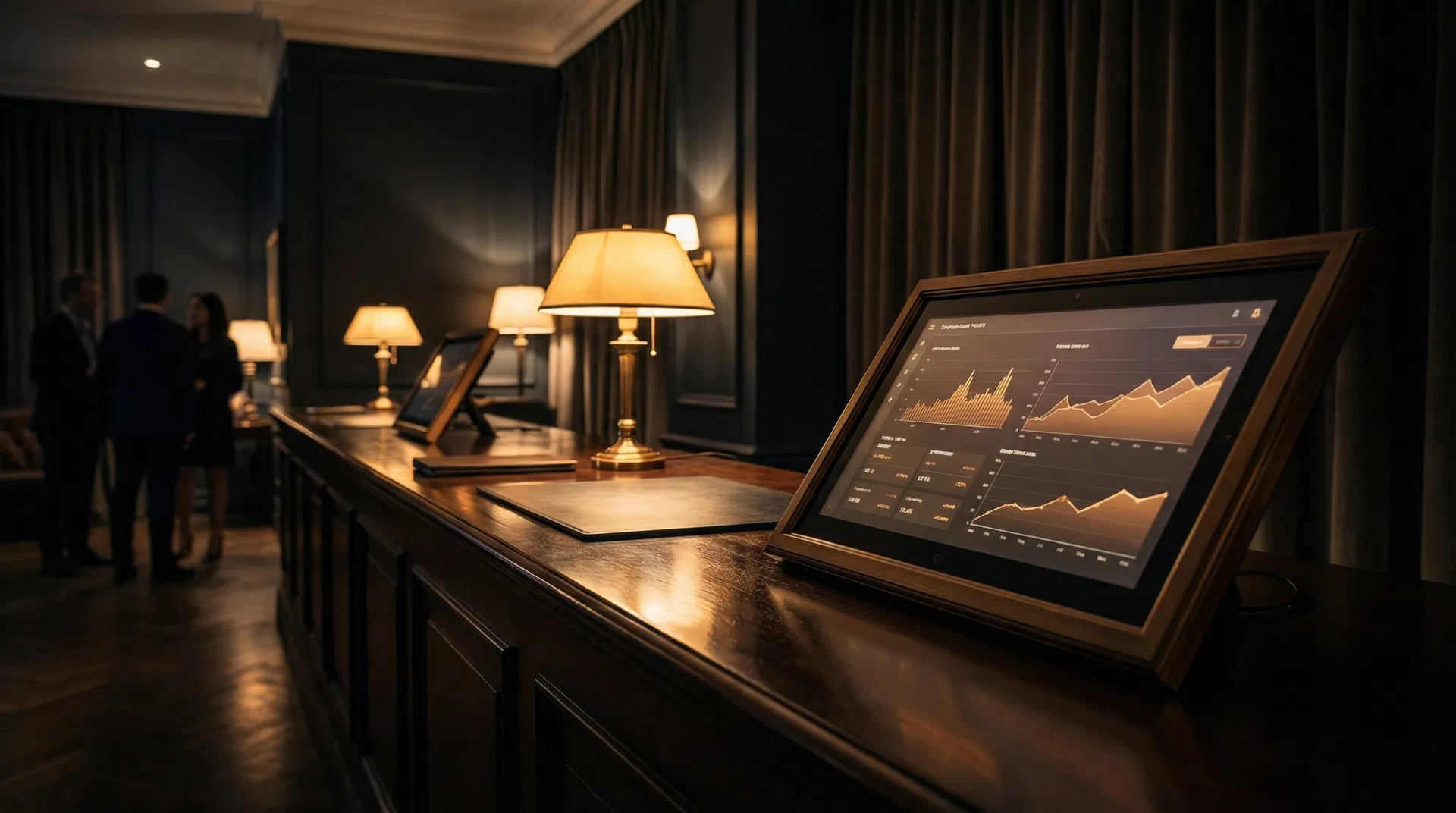
Automated revenue management software solves this by continuously monitoring booking pace, competitor rates, and demand signals, then adjusting your prices within boundaries you set. You still decide the strategy — your minimum rate, your maximum, your positioning relative to competitors. The software handles the hundreds of small daily adjustments that would otherwise take hours.
The technology is no longer just for big hotel groups. Tools like RoomPriceGenie and Little Hotelier are specifically built for independent properties and start at price points that make sense even for a ten-room guesthouse. The question is no longer whether you can afford to automate your pricing. It is whether you can afford not to.
Independent hotels that have made the switch consistently report the same thing: fewer regret moments where they sold out too cheap, and fewer empty rooms during slow periods where a small price drop would have filled the gap. Over a full year, those improvements compound into meaningful revenue gains.
What this means for your business
For a small hotel, guesthouse, or B&B, automated pricing is one of the highest-return investments available right now. Unlike a new website or a social media campaign, revenue management software works continuously in the background — every day, every night, every season — without requiring your attention.
The shift also has implications beyond just room rates. When your pricing is more accurate and your demand visibility improves, your forecasting gets better too. That means smarter decisions about staffing, promotions, and when to run special offers. It also means less reliance on last-minute discounting, which damages both your revenue and your brand positioning over time.
For visitor attractions and restaurants, the same principle applies to dynamic pricing and capacity management. If you are still charging the same entry price on a rainy Tuesday in January as on a sunny Saturday in August, you are leaving money on the table — and probably turning people away on your busiest days.
Your action this week
This week, spend 20 minutes looking at three tools: RoomPriceGenie (built specifically for independent hotels), Little Hotelier (an all-in-one system with pricing built in), and Pricelabs (popular with short-term rental operators). All three offer free trials. Even if you do not switch immediately, understanding what these tools can see — and what your manual process is missing — is a genuinely eye-opening exercise.