The AI chef in the kitchen is boosting restaurant profits by 15%.
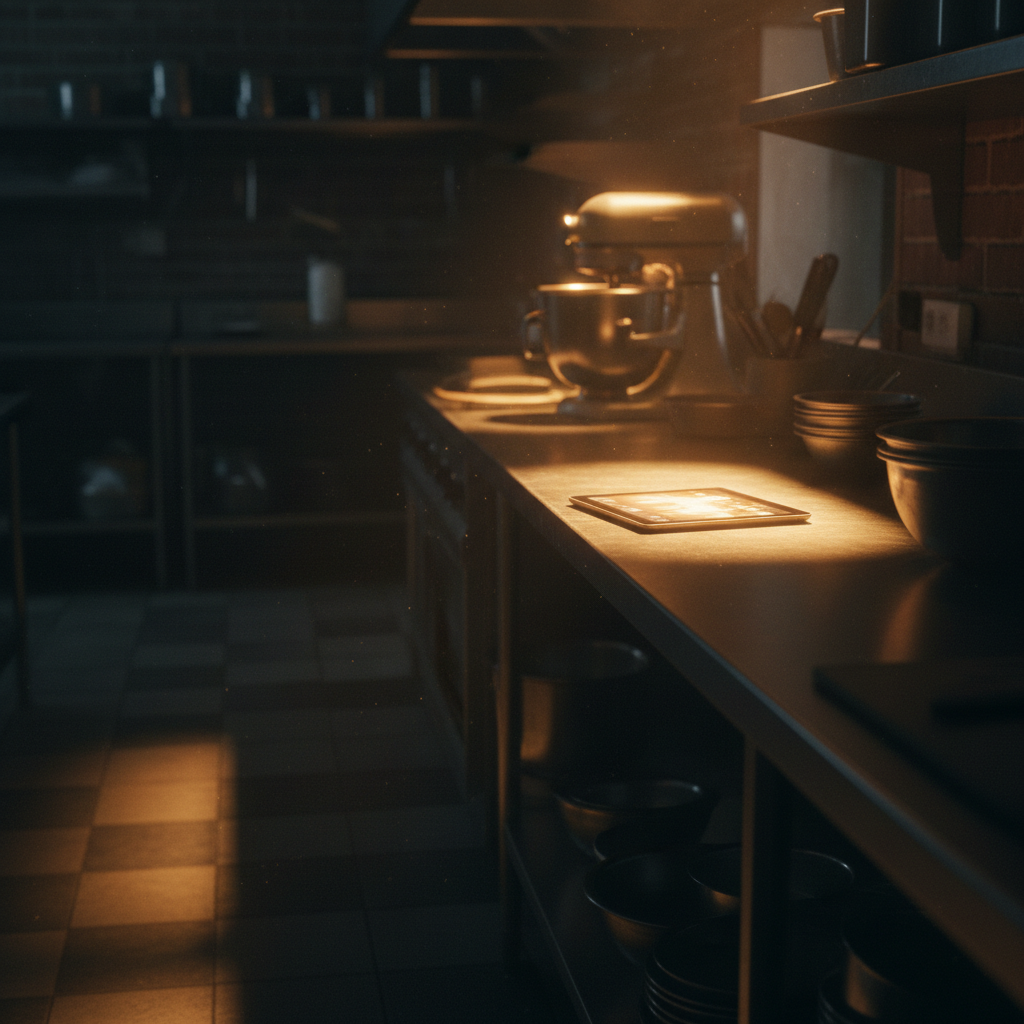
Forget the robot flipping burgers — the real AI revolution in restaurants is happening on the spreadsheet. Chefs and culinary directors are quietly turning to artificial intelligence to engineer their menus, and the financial results are staggering.
According to reporting from Restaurant Business Online, foodservice giant Sodexo has integrated AI into its menu engineering process, resulting in profit increases of 10 to 15 percent. The technology instantly models ingredient price changes, allowing chefs to adjust menus, reprice items, or swap out costly ingredients before margins take a hit. What used to take three days of recipe development and seasonal planning has been slashed to half a day.
Independent chefs are getting in on the action too. Dawn McClung, culinary innovation manager at Piada Italian Street Food, uses ChatGPT as a brainstorming partner to cross-reference consumer trends with flavour profiles. Other chefs are using AI to nail down complex ratios for fermentation, test global flavour combinations, and generate visual plating concepts before stepping foot in the kitchen.
The consensus is clear: AI is not replacing the chef's palate or creativity. It is replacing the tedious, maths-heavy grunt work of menu engineering. By instantly analysing sales patterns, ingredient costs, and market trends, AI allows chefs to focus on what they actually do best — cooking.
The practical applications are stacking up fast. One chef used AI to determine the optimal fermentation process for beet molasses. Another used it to cross-reference 30 beverage ideas against consumer trend data, narrowing the field to three winning flavours in minutes. Across the board, the chefs who are using AI are reporting faster R&D cycles, sharper margins, and menus that are more precisely tuned to what their customers actually want to order.
What this means for your business
If you run a restaurant, café, coffee shop, or pub in the UK or Ireland, you know that food inflation and razor-thin margins are the enemies keeping you awake at night. You do not need to be a massive contract caterer like Sodexo to use these tools. The exact same AI that is delivering 15 percent profit increases is available to you right now, for free, via tools like ChatGPT or Claude. If you are not using AI to analyse your menu profitability, model ingredient cost changes, and cross-utilise your stock, you are leaving money on the table and wasting hours of your head chef's time every single week.
Your action this week
1. Run a menu matrix: Export your last 30 days of sales data and ingredient costs. Feed it into ChatGPT and ask it to categorise your menu into Stars (high profit, high popularity) and Puzzles (high profit, low popularity) — then promote the Puzzles. 2. Brainstorm cross-utilisation: Ask the AI to look at your current ingredient list and suggest three new high-margin specials that use ingredients you already stock. 3. Optimise your descriptions: Paste your current menu descriptions into ChatGPT and ask it to rewrite them to highlight the most appealing flavour notes and increase perceived value.